By Roberto Caldara (sligthly modified by Arved Lompe)
Caldara, R. (2001): Phylogenetic analysis and higher classification of the tribe Mecinini (Coleoptera: Curculionidae, Curculioninae). Kol. Rundschau 71:171-203.
Caldara, R. (2007): Taxonomy and phylogeny of the species of the weevil genus Miarus Schönherr, 1826. (Coleoptera: Curculionidae, Curculioninae). - Koleopterologische Rundschau, 77:199-248 >>>"F:\taxa\coleo\scans\Caldara2007 Miarus.tif"
#1
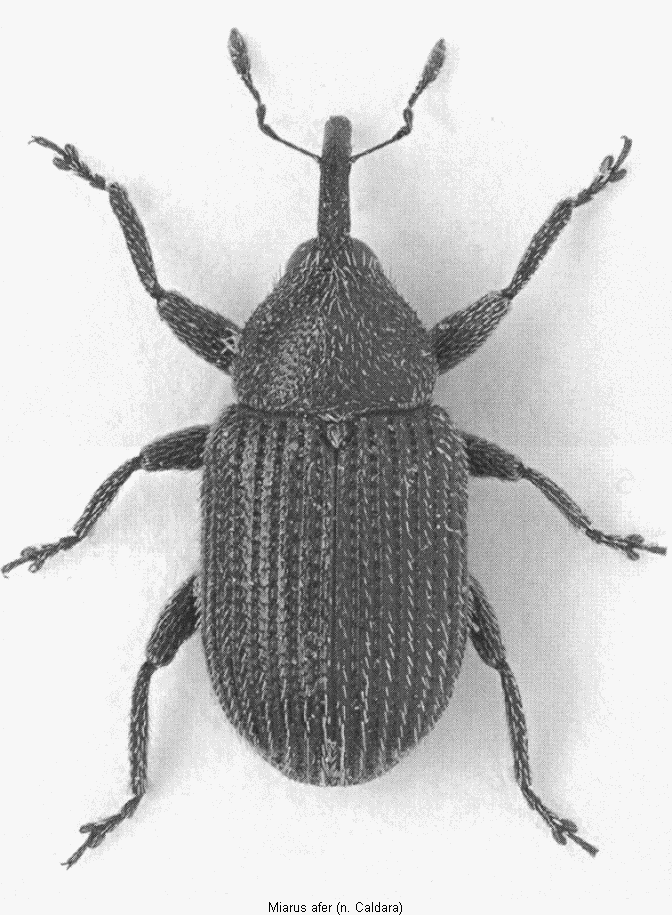
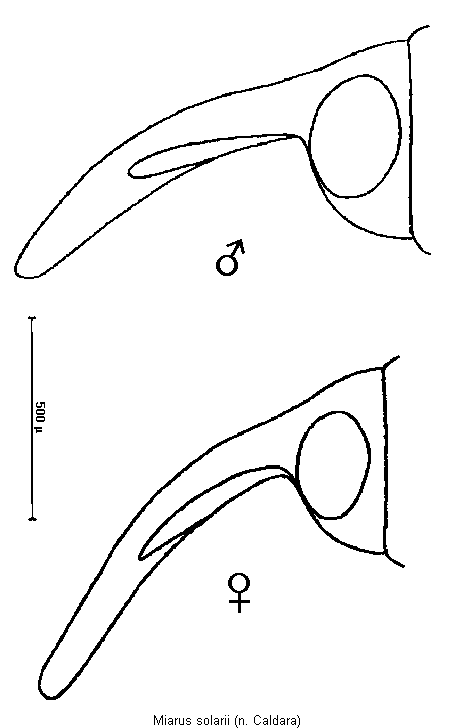
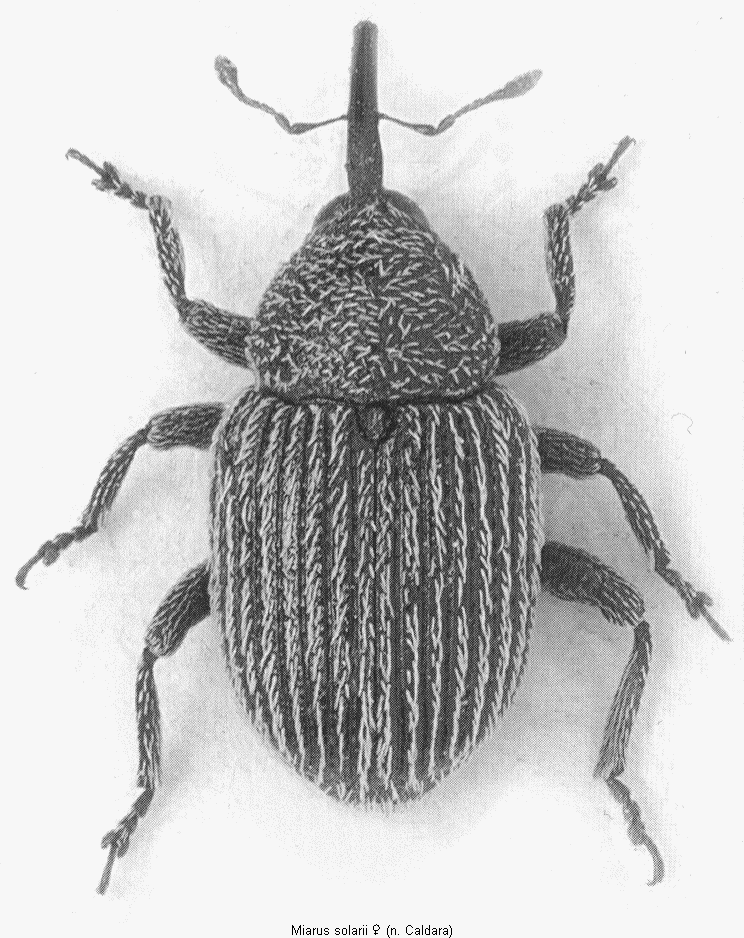
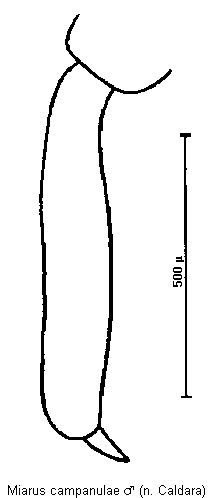
→ 2♂: Pygidium simple, without median gibbosity and fovea; ventrite 5 without fovea and teeth; elytra somewhat long [Abb. 1]; body length 1.9-2.5 mm. ♀: Pygidium simple and bursa copulatrix without sclerites.
Abb. 1
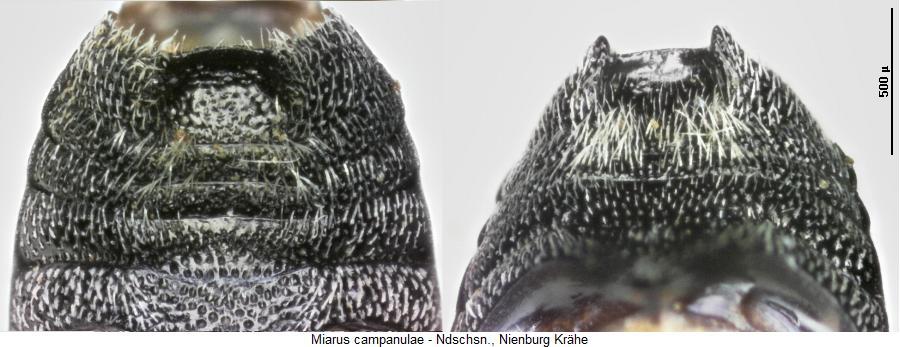
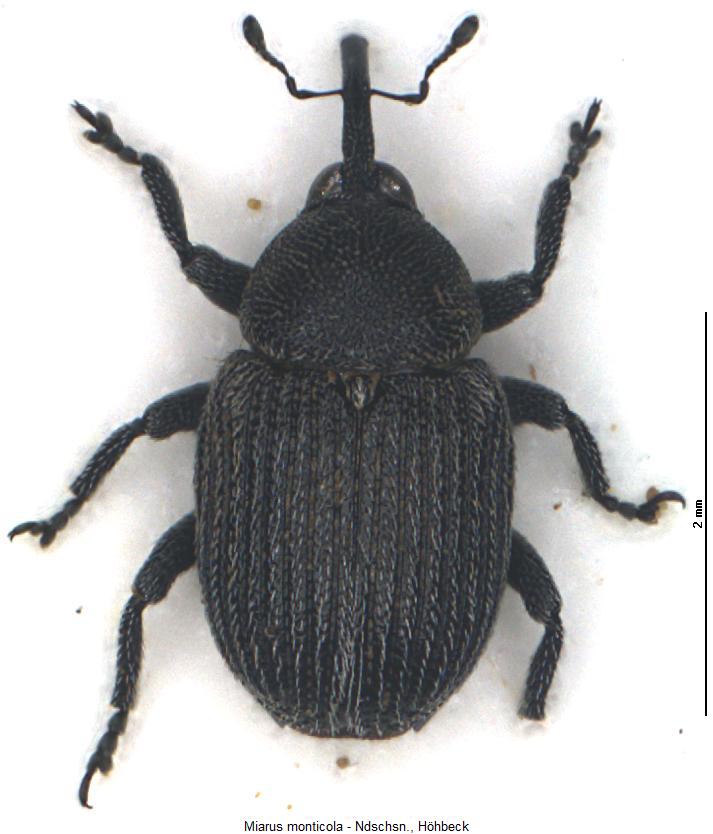
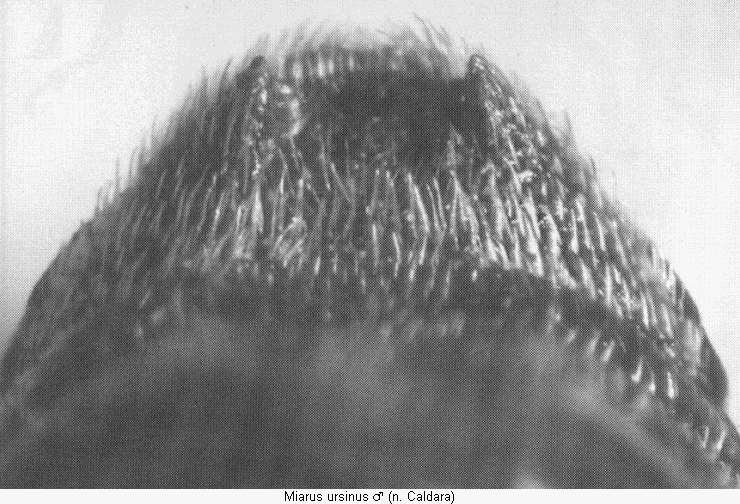
→ 3-♂: Pygidium with more or less pronounced median gibbosity and fovea; ventrite 5 without or with more or less deep fovea and two more or less robust teeth laterally to fovea [Abb. 2]; elytra fairly short to short [Abb. 3]; body length 1.6-3.5 mm. ♀: Pygidium with fovea and bursa copulatrix with two semilunate sclerites.
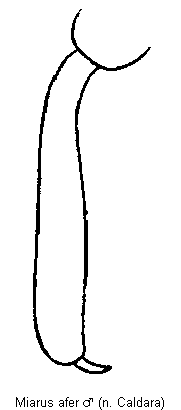
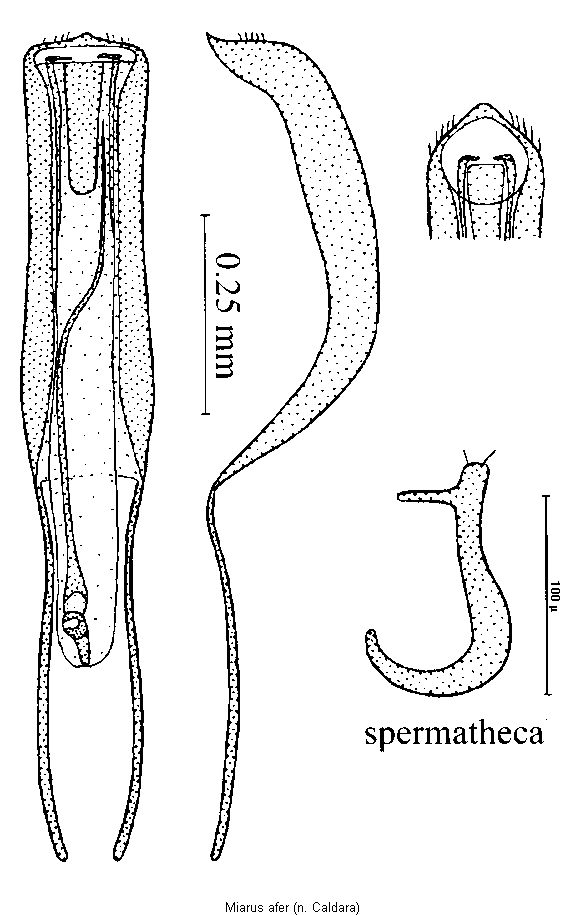
afer Daniel, 1912Basal margin of elytra nearly regularly and weakly concave, scales of elytral interstriae nearly completely arranged in single regular rows; in ♂ uncus of protibia small [Abb. 4]; median lobe of aedeagus elongate and narrow, with short apex, endophallus with elongate flagellum and without elongate median ventral sclerite [Abb. 5]. Morocco, Algeria, Tunisia.
Abb. 4Abb. 5
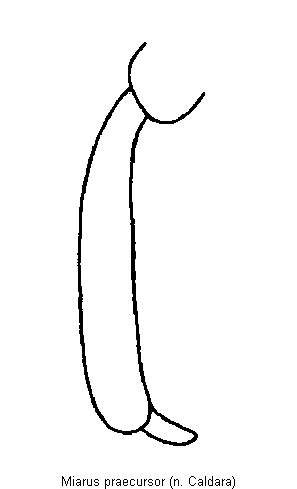
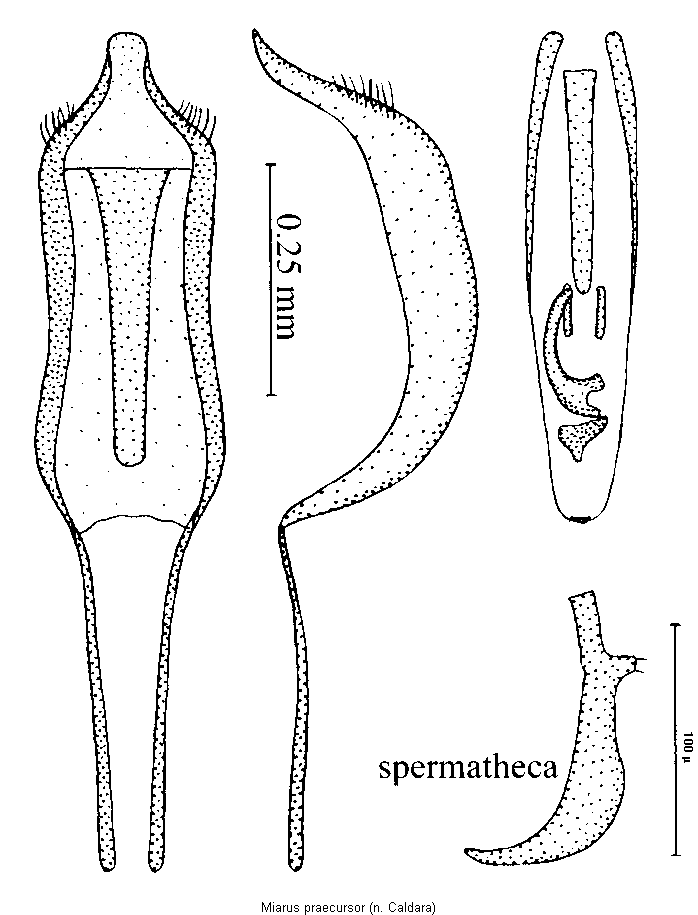
praecursor Caldara, 2001-Basalrand der Flügeldecken von der Naht bis zum 5. Streifen leicht konvex dann deutlich schräg nach vorne verlaufend. Schuppen der Flügeldeckenstreifen 1-2 reihig angeordnet. ♂: Voderschienen mit großem Spitzendorn. Medianlobus des Aedoeagus kürzer und breiter mit langer Spitze; Endophallus mit kurzem Flagellum und langem, ventralem Sklerit. Basal margin of elytra weakly convex from suture to fifth interstria, then distinctly directed forwards; scales of elytral interstriae arranged in 1-2 irregular rows; in ♂ uncus of protibia robust [Abb. 6]; median lobe of aedeagus shorter and wide, with long apex, endophallus with short flagellum and with elongate median ventral sclerite [Abb. 7]. Greece, Turkey, Syria, Jordan.
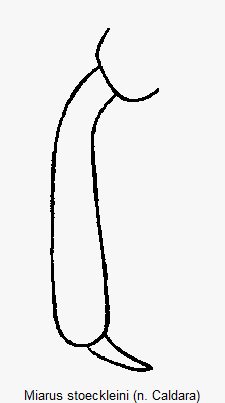
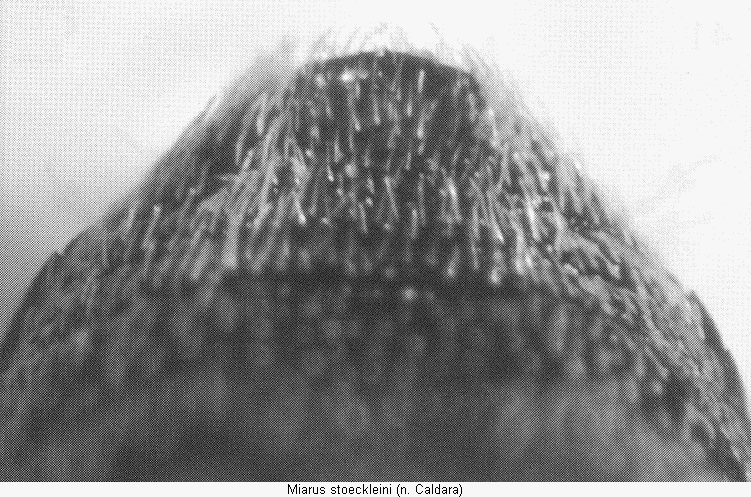
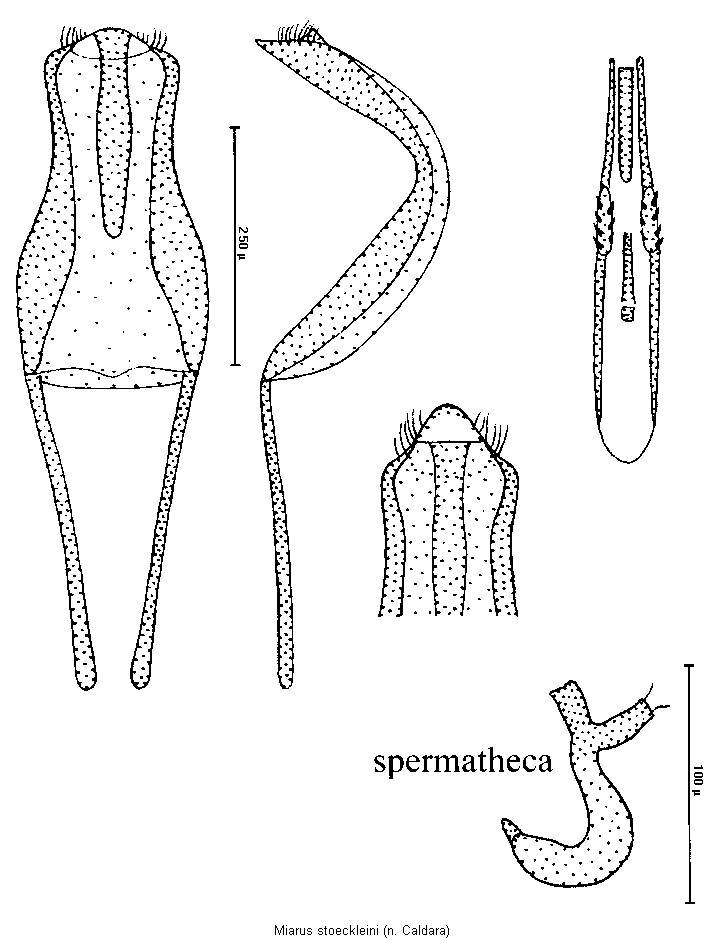
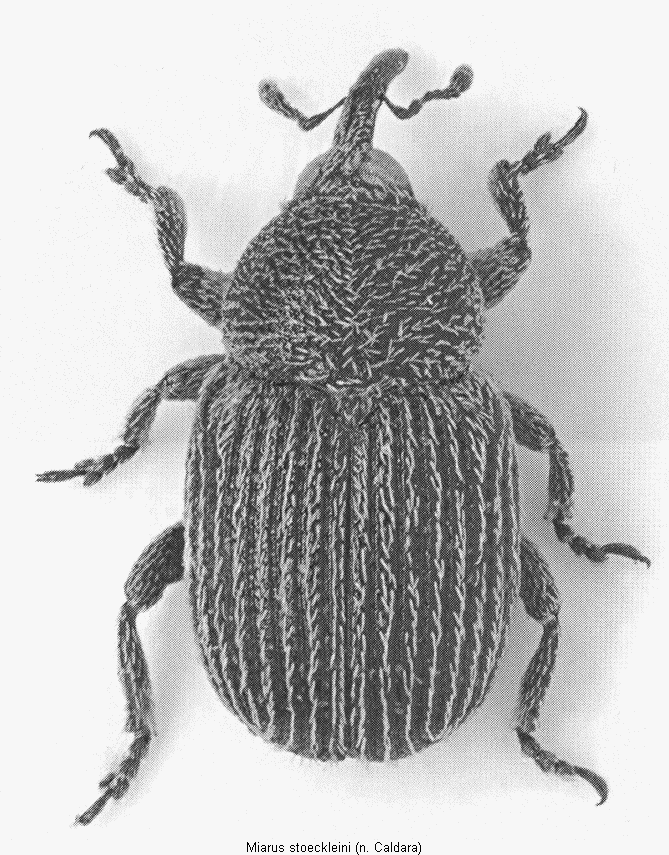
stoeckleini Franz, 1947Body length 1.8-2.3 mm; protibiae short, in male with very robust uncus as long as 1/5 of tibia [Abb. 8]; depression of ventrite 5 of male with scarce vestiture [Abb. 9]; median lobe of aedeagus in dorsal view distinctly wider at base than at apex, in lateral view as thin at base as at apex, with orifice very small and narrow [Abb. 10]; habitus as in [Abb. 11]. Croatia, Macedonia, Greece, Turkey, Armenia, Syria.
Abb. 8Abb. 9Abb. 10Abb. 11
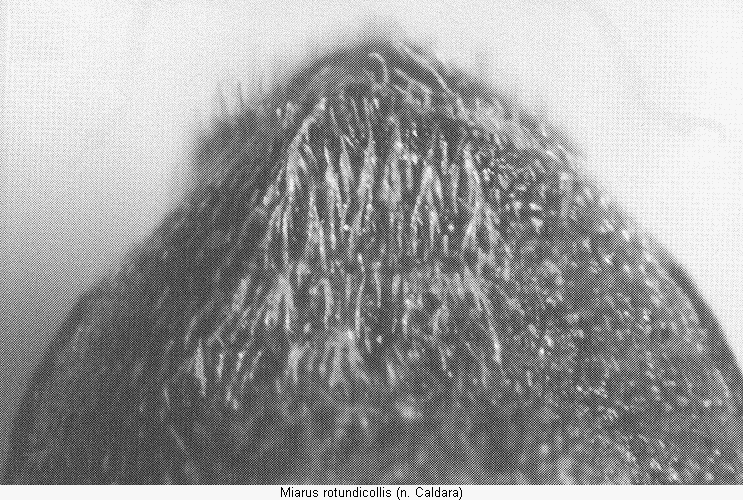
→ 5-Body length 2.0-2.8 mm; protibiae longer, in male with moderately robust uncus as long as 1/8 of tibia; depression of ventrite 5 of male with vestiture denser than at sides [Abb. 12]; median lobe of aedeagus in dorsal view as wide at base as at apex, in lateral view distinctly robust at apex, with orifice larger [Abb. 13].
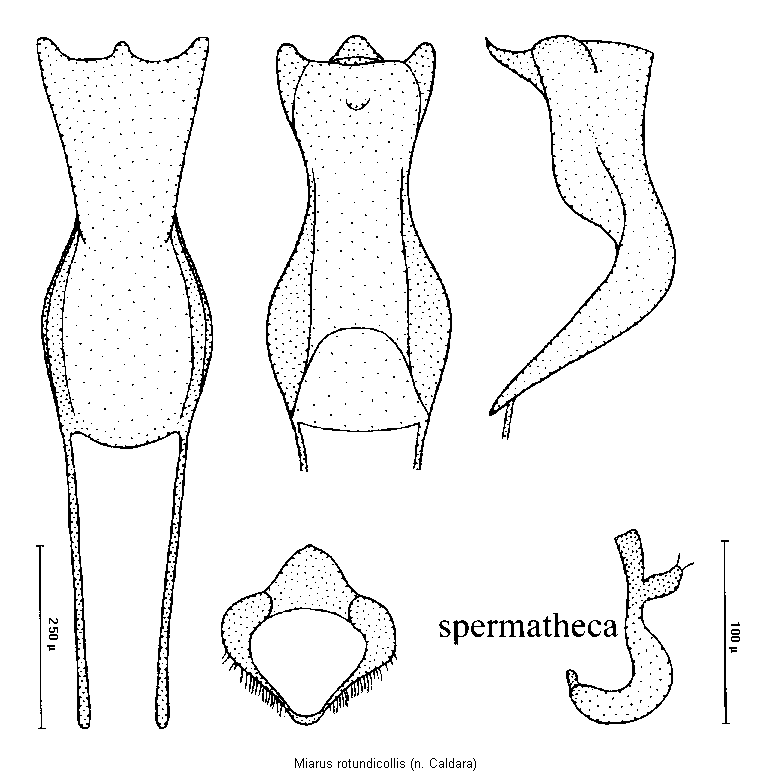
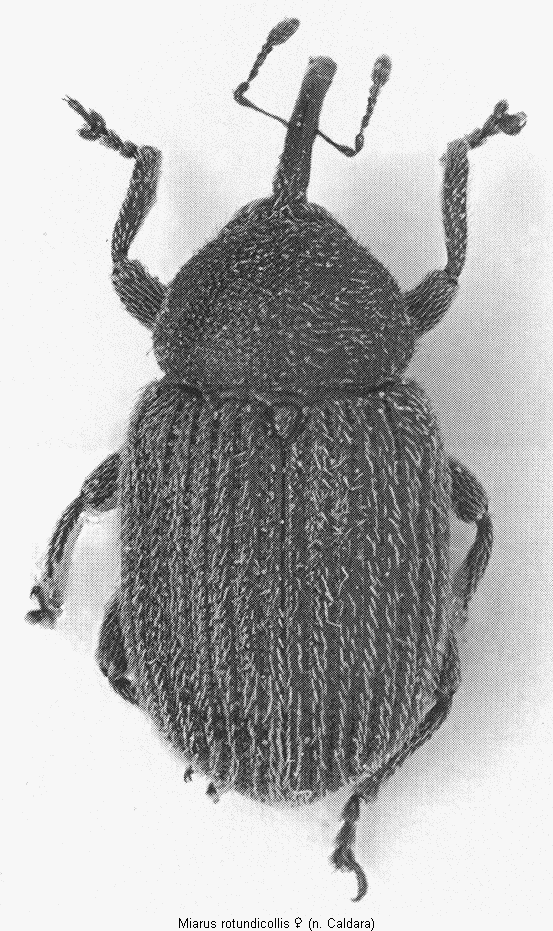
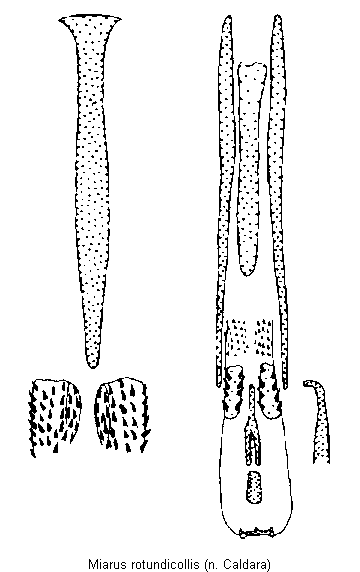
rotundicollis Desbrochers, 1893Pronotum 1/3 wider than long, usually widest near middle; basal margin of elytra regularly concave [Abb. 14]; ventrite 5 of male without posterolateral teeth; median lobe of aedeagus without distinct ventral tongue [Abb. 13], endophallus [Abb. 15]. Albania, Macedonia, Greece.
Abb. 14Abb. 13Abb. 15
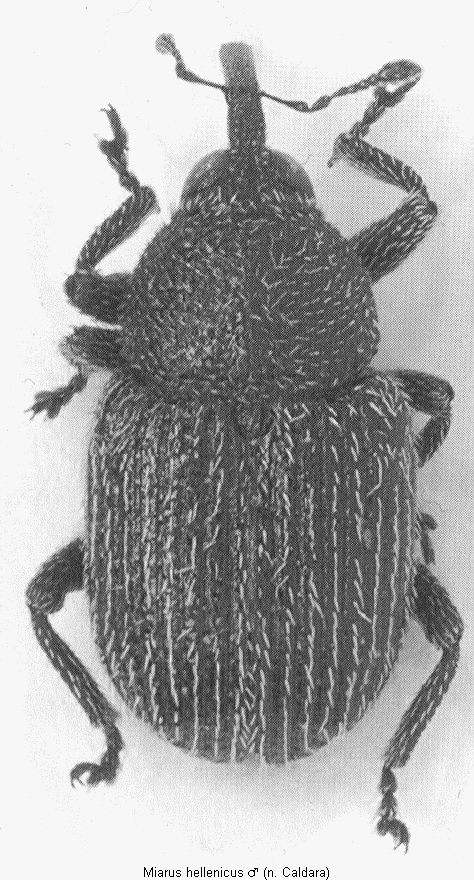
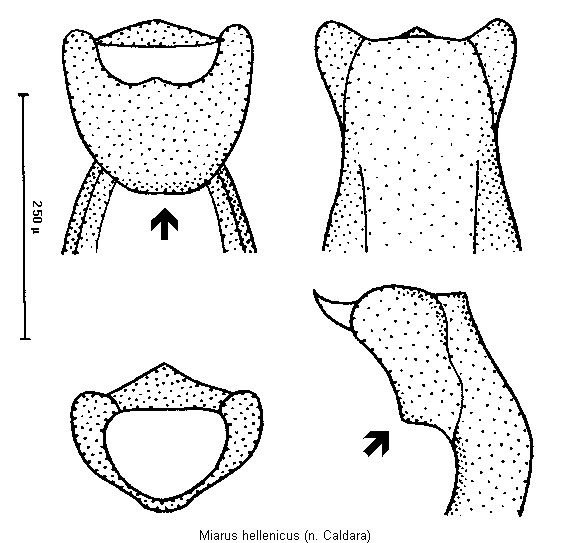
hellenicus Dieckmann, 1978-Pronotum 1/2 wider than long, widest at basal 1/3; basal margin of elytra usually weakly convex to fifth interstria then distinctly directed forwards [Abb. 16]; ventrite 5 of male usually with two small posterolateral teeth; median lobe of aedeagus with distinct ventral tongue [Abb. 17]. Bulgaria, Greece.
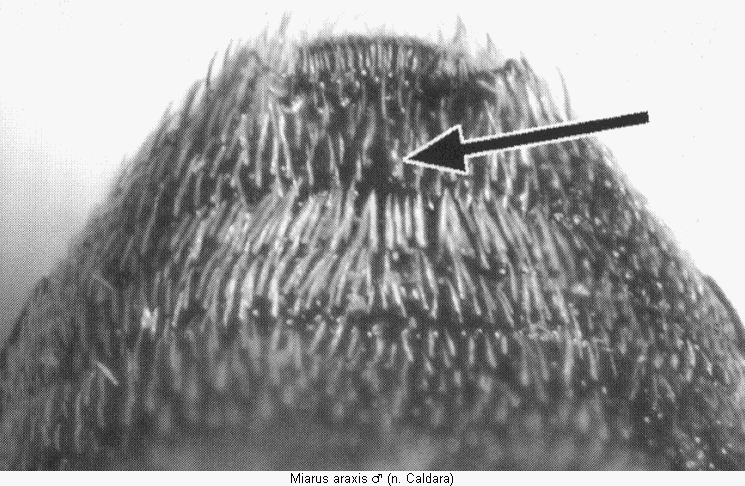
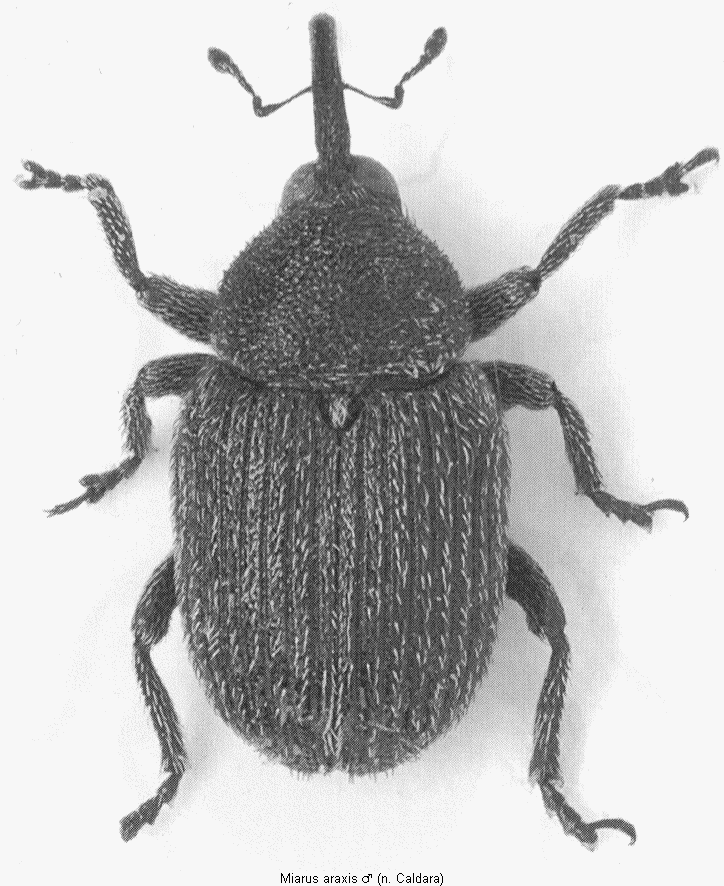
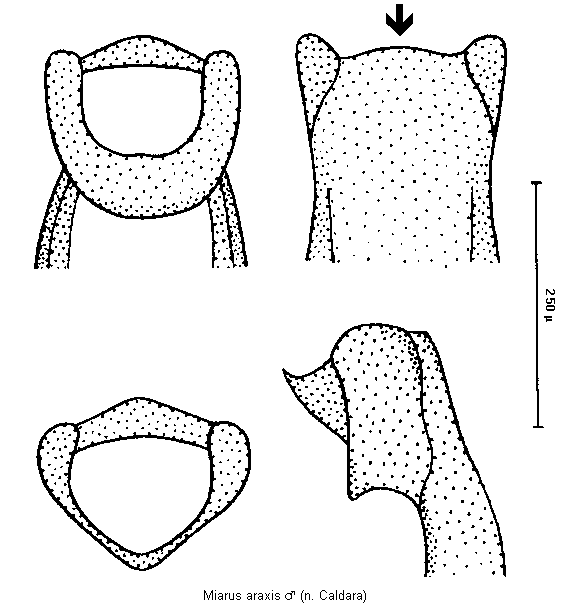
araxis Reitter, 1907Scales of dorsal vestiture brown, those covering elytral interstriae recumbent [Abb. 21]; rostrum in lateral view distinctly curved, in female only slightly longer than in male; ventrite 5 of male with shallower fovea; median lobe of aedeagus with tip short, not visible in dorsal view [Abb. 22]. Armenia, Georgia, Turkey.
Abb. 21Abb. 22
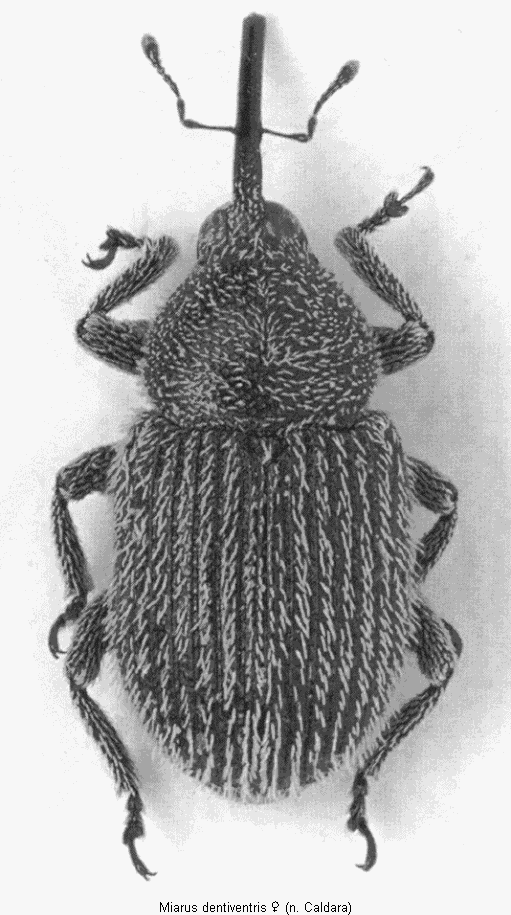
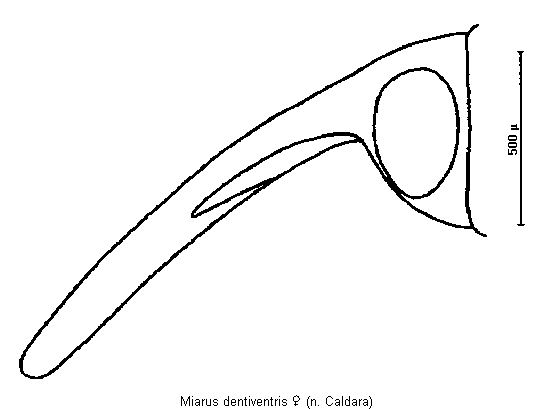
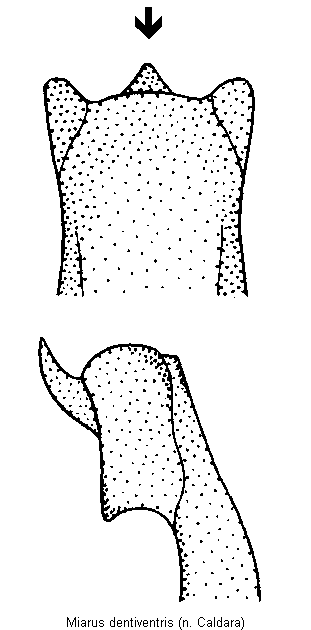
dentiventris Reitter, 1907-Scales of dorsal vestiture white, those covering elytral interstriae suberect to erect [Abb. 23]; rostrum in lateral view in male weakly curved, in female nearly straight [Abb. 24] and somewhat longer than in male; fovea of ventrite 5 deeper; median lobe of aedeagus with tip long, clearly visible in dorsal view [Abb. 25]. Armenia, Iran.
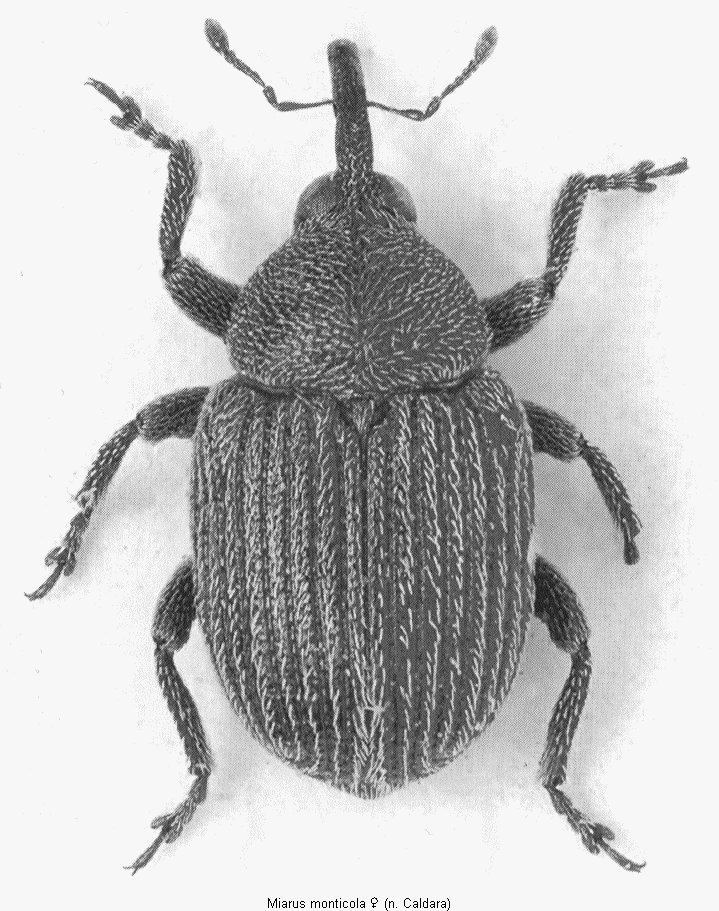
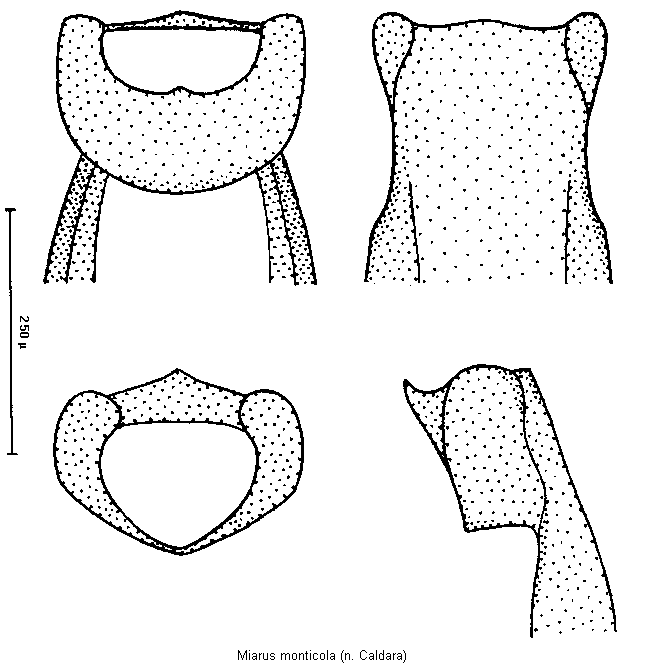
monticola Petri, 1912Scales of dorsal vestiture whitish [Abb. 28]; median lobe of aedeagus without flanges at apex laterally [Abb. 29]. Finland, north-western Russia (Karelia, Arkhangel'sk Prov., Leningrad Prov., Kirovsk Prov., Bryansk, Moscow Prov.; ZISP), Ukraine, Poland, Germany, Czech Republic, Slovakia, Austria, Bosnia and Herzegovina, Serbia, Albania, Montenegro, Bulgaria, Greece
Abb. 28Abb. 29
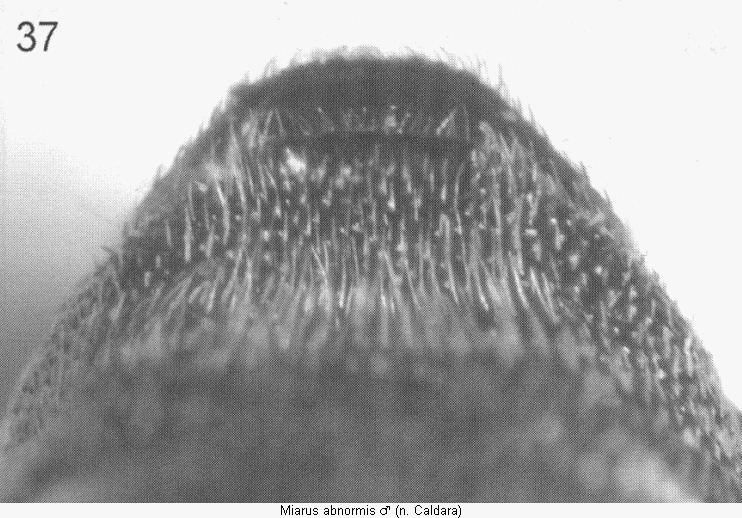
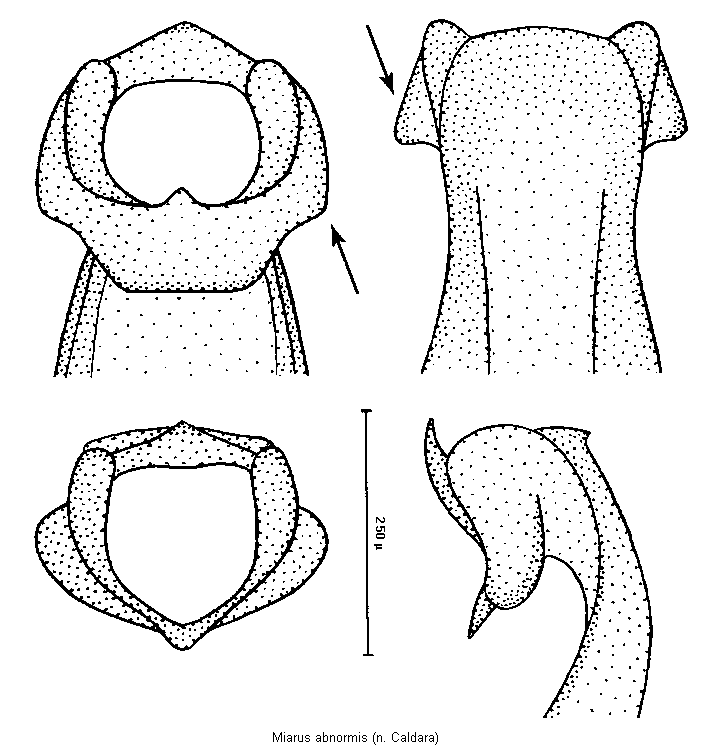
abnormis Solari, 1947-Scales of dorsal vestiture whitish to brown or of both colours intermixed; median lobe of aedeagus with distinct flanges at apex laterally [Abb. 30]. South-eastern Poland, Austria, north-eastern Italy, Slovenia, Croatia, Serbia, Montenegro, Macedonia. Its presence in southern France needs confirmation.
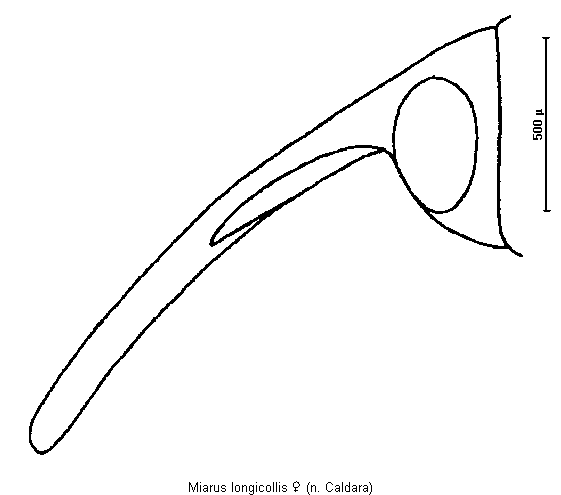
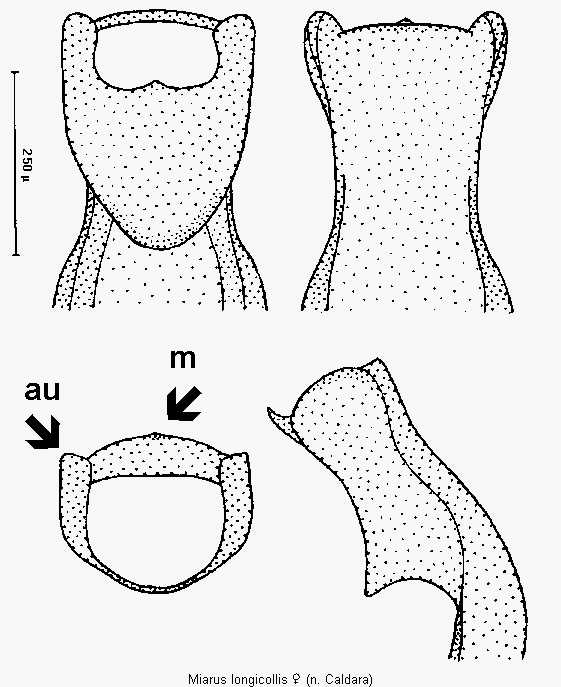
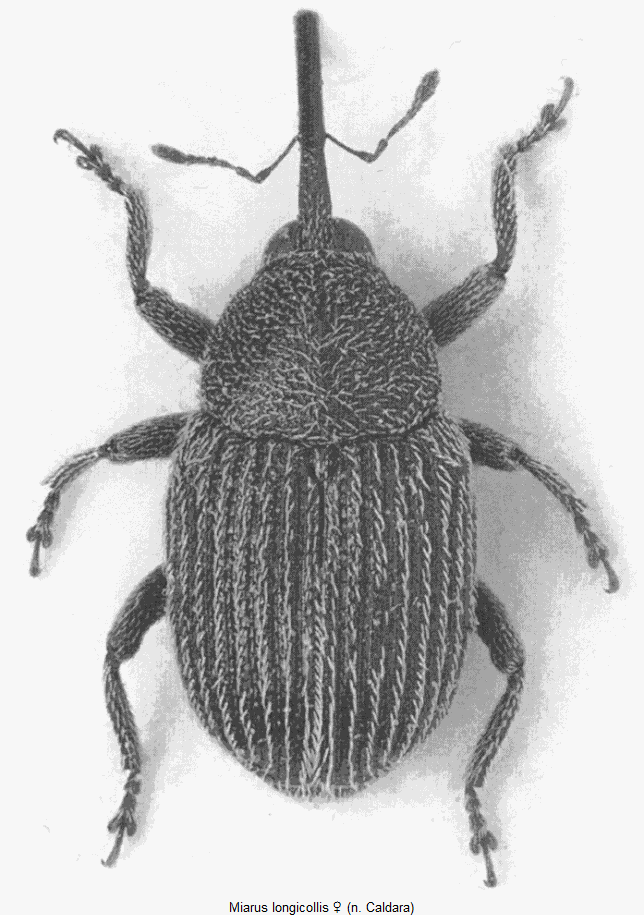
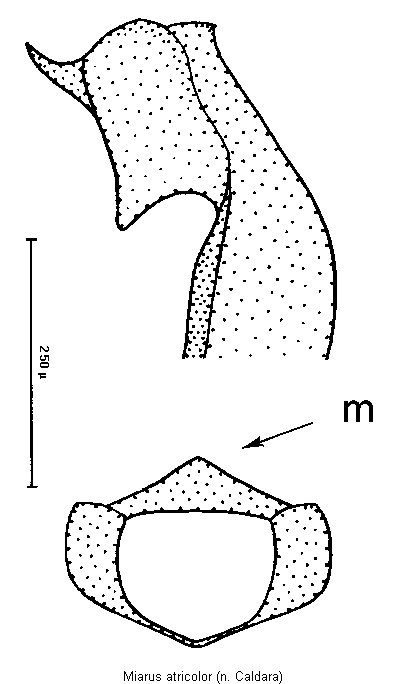
IongicollisScales of elytral interstriae arranged in 1-2 irregular rows, subrecumbent; median lobe of aedeagus at apex with small auricles (au) and very small mitre (m) [Abb. 34]; habitus of female as in [Abb. 35]. Athos, Greece. Only known from the type locality.
Abb. 34Abb. 35
→ 13-Scales of elytral interstriae mainly arranged in 3-4 irregular rows, recumbent; median lobe of aedeagus at apex with distinct auricles and mitre.
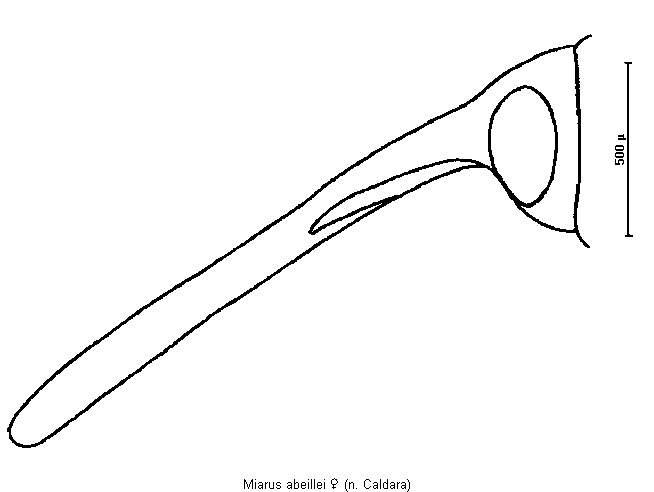
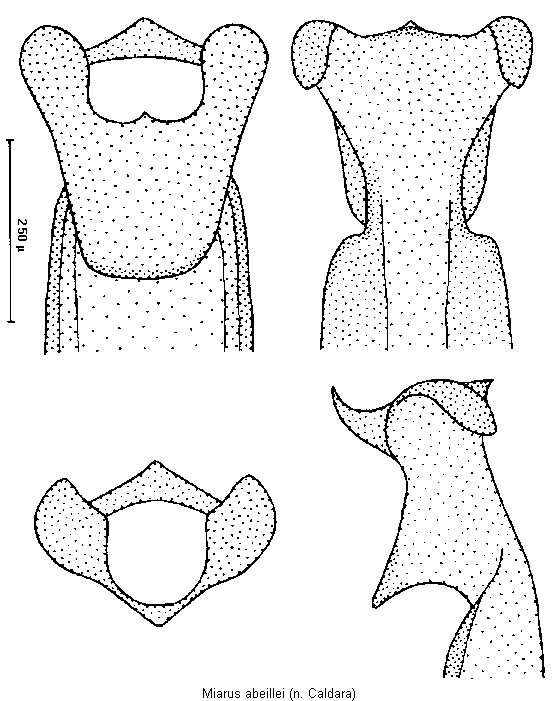
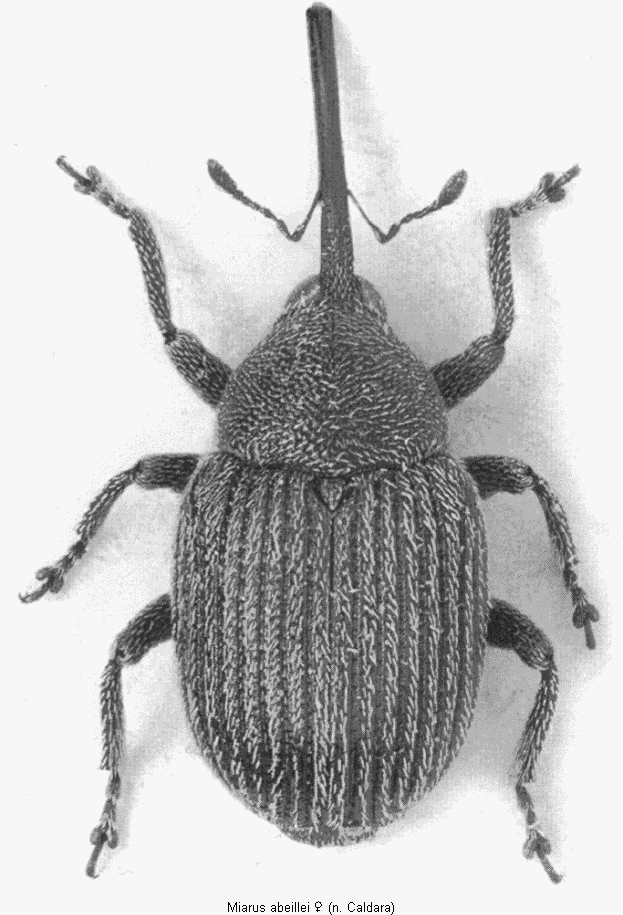
abeillei Desbrochers, 1893Rostrum nearly straight in lateral view in both sexes [Abb. 33] and less punctate in male; scales of dorsal vestiture whitish to brown; median lobe of aedeagus with auricles distinctly uncinate and without spines [Abb. 36]; habitus of female as in [Abb. 37]. South-eastern France, Switzerland, north-western Italy.
Abb. 33Abb. 36Abb. 37
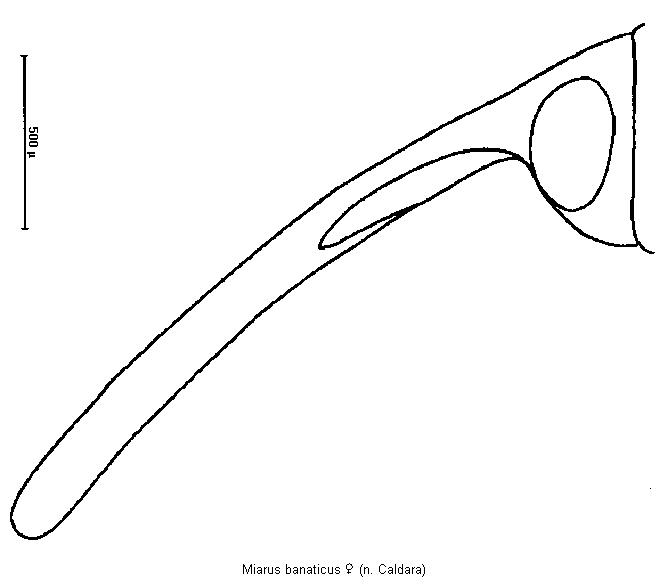
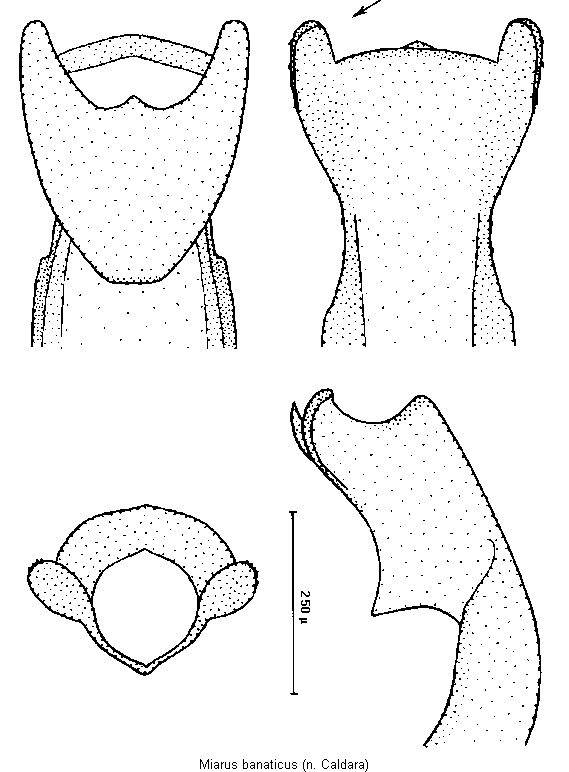
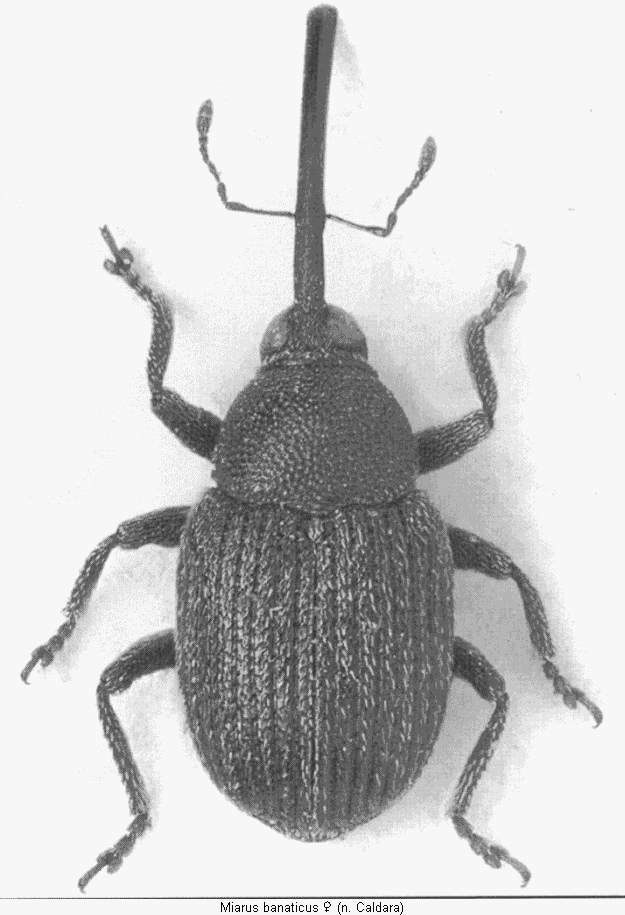
banaticus Reitter, 1907-Rostrum moderately curved in lateral view in both sexes [Abb. 31] and more punctate in male; scales of dorsal vestiture usually brown or white and brown intermixed; median lobe of aedeagus with auricles not uncinate but usually with some minute spines [Abb. 38]; habitus of female as in [Abb. 39]. Bosnia and Herzegovina, Romania.
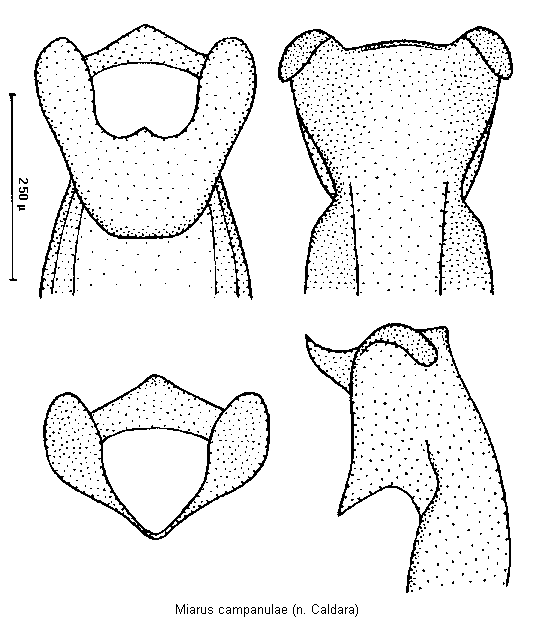
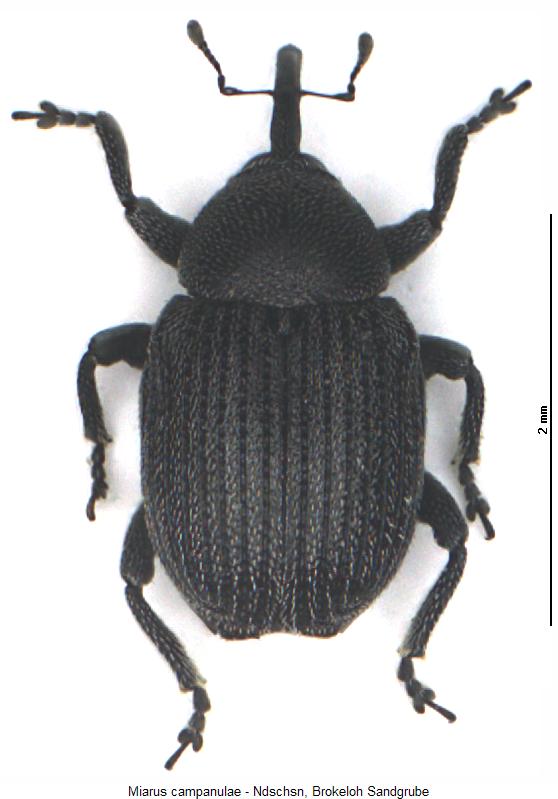
campanulae (L., 1767)Ventrite 5 of male with fovea usually very deep and teeth distinctly robust [Abb. 2]; median lobe of aedeagus with auricles large, distinctly uncinate [Abb. 41]; body medium to large sized (length 2.3-3.4 mm); scales of elytral interstriae arranged in more than one irregular rows [Abb. 44]; uncus of protibia in male moderately robust [Abb. 45]. Great Britain, Ireland, Spain, France, Belgium, Holland, Poland, Germany, Hungary, Czech Republic, Slovakia, Austria, peninsular Italy, Denmark, Norway, Sweden, Finland, western Russia.
Abb. 2Abb. 41Abb. 44Abb. 45
→ 16-Ventrite 5 of male with fovea usually moderately deep and teeth moderately robust [Abb. 19]; median lobe of aedeagus with auricles smaller, not uncinate to moderately uncinate; body small to medium sized (length 1.6-2.8 mm); scales of elytral interstriae often arranged in single regular rows; uncus of protibia in male small.
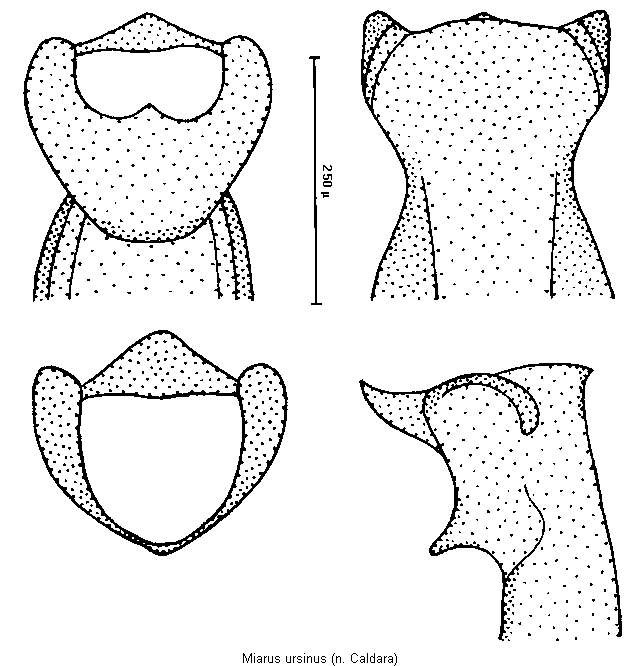
ursinus Abeille, 1906Pronotum moderately convex on disc; median lobe of aedeagus with auricles not uncinate and with tongue distinctly shorter [Abb. 40]. South-western Europe: Portugal, Spain, France (incl. Corsica), Switzerland, peninsular Italy, Croatia..
Abb. 40
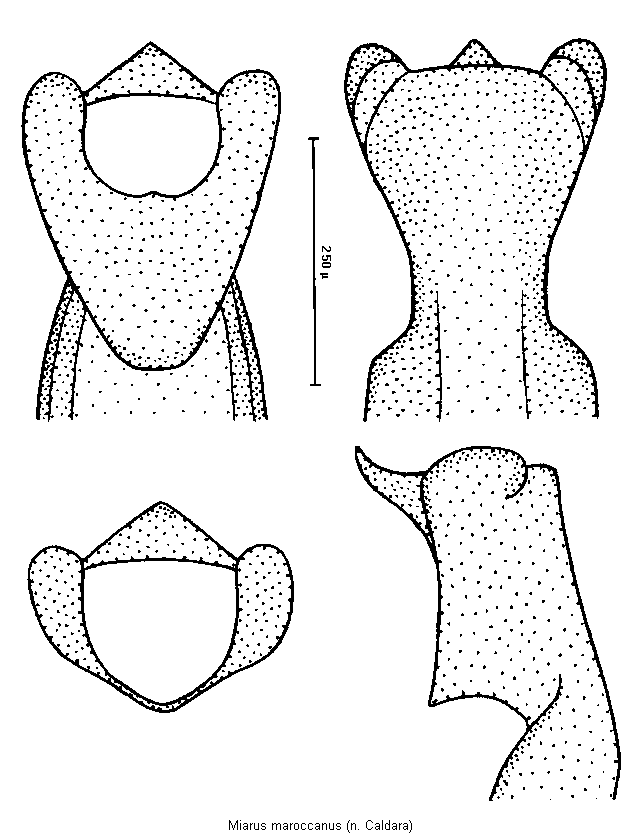
maroccanus Solari, 1947-Pronotum usually distinctly convex on disc; median lobe of aedeagus with auricles uncinate and with tongue distinctly longer [Abb. 46]. North-western Africa: Morocco, Algeria..
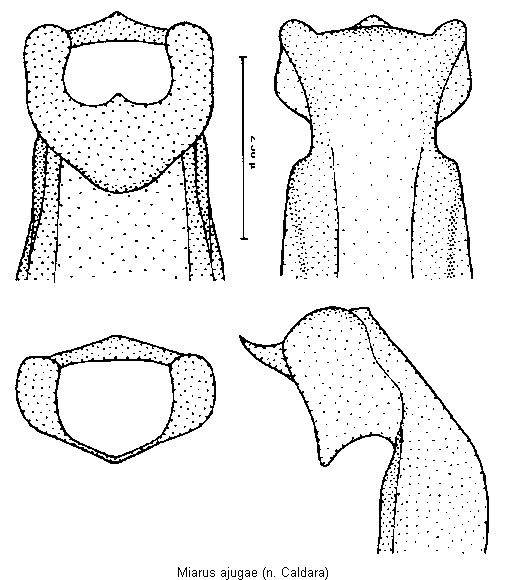
ajugae (Hbst., 1795)Median lobe of aedeagus with mitre and auricles small but distinct, with anteapical stricture very strong, with tongue larger in basal half and clearly visible in dorsal view [Abb. 43]. France, Switzerland, Poland, Germany, Czech Republic, Slovakia, Hungary, Austria, Italy, Slovenia, Croatia, Bosnia and Herzegovina, Serbia, Montenegro, Macedonia, Armenia, Denmark, Sweden, Norway, Finland, Russia (from North West to Far East), Mongolia, Korea, Syria, Iran, north-western Africa.
Abb. 43
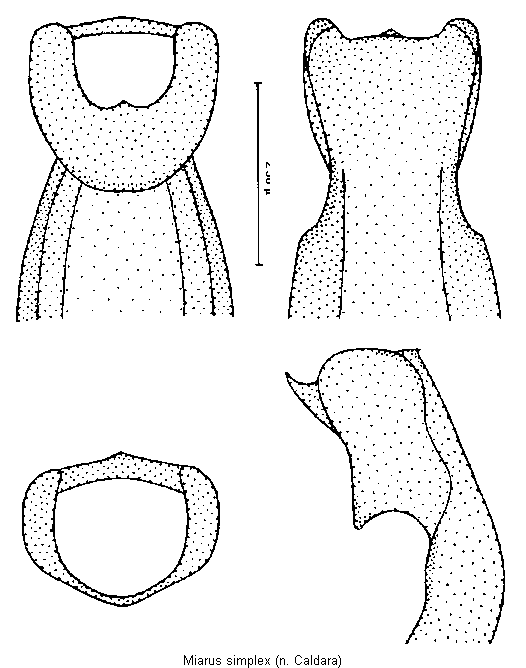
simplex Solari, 1947-Median lobe of aedeagus without mitre and auricles, with anteapical stricture moderately strong, with tongue smaller in basal half and indistinct in dorsal view [Abb. 42]. Spain, France, northern and central Italy, Serbia, Romania, Bulgaria, European Turkey, Georgia.
 Käfer Europas herausgegeben von Arved Lompe sind lizenziert unter den Bedingungen der Creative Commons International 4.0 Lizenz BY-SA (Namensnennung-Weitergabe unter gleichen Bedingungen)